
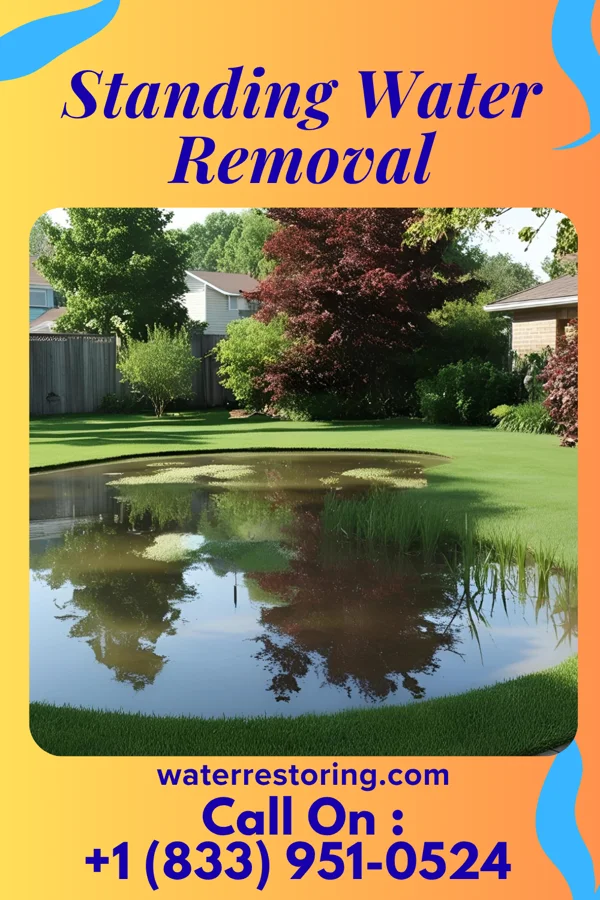
Ground-Water Standing Water in Cornersville
Water damage in Cornersville tends to cluster in predictable windows because of the local climate. In Cornersville, Tennessee, primary water damage often stems from burst pipes in older homes and sudden flooding due to heavy rainfall, especially during the spring and early summer months. The rural nature of the area means that many properties are not equipped with modern flood prevention systems, increasing the risk of water intrusion during severe weather events. A close second is Secondary causes include leaking roofs in homes with aging or damaged shingles, groundwater seepage around basements, and water damage from appliances like washing machines or water heaters. These issues are common in the area due to the mix of residential and agricultural land use..
Cornersville experiences a humid subtropical climate, which contributes to high humidity levels and frequent thunderstorms. This climate pattern increases the likelihood of water damage from both sudden rainfall and prolonged moisture exposure, making prompt restoration essential.
Cornersville experiences a humid subtropical climate, which contributes to high humidity levels and frequent thunderstorms. This climate pattern increases the likelihood of water damage from both sudden rainfall and prolonged moisture exposure, making prompt restoration essential. The dominant local driver is In Cornersville, Tennessee, primary water damage often stems from burst pipes in older homes and sudden flooding due to heavy rainfall, especially during the spring and early summer months. The rural nature of the area means that many properties are not equipped with modern flood prevention systems, increasing the risk of water intrusion during severe weather events., with Secondary causes include leaking roofs in homes with aging or damaged shingles, groundwater seepage around basements, and water damage from appliances like washing machines or water heaters. These issues are common in the area due to the mix of residential and agricultural land use. showing up as the next most common cause. Damage builds in stages. Spread. Absorption. Microbial growth. Structural compromise. Every stage you pass through adds to the final bill.